
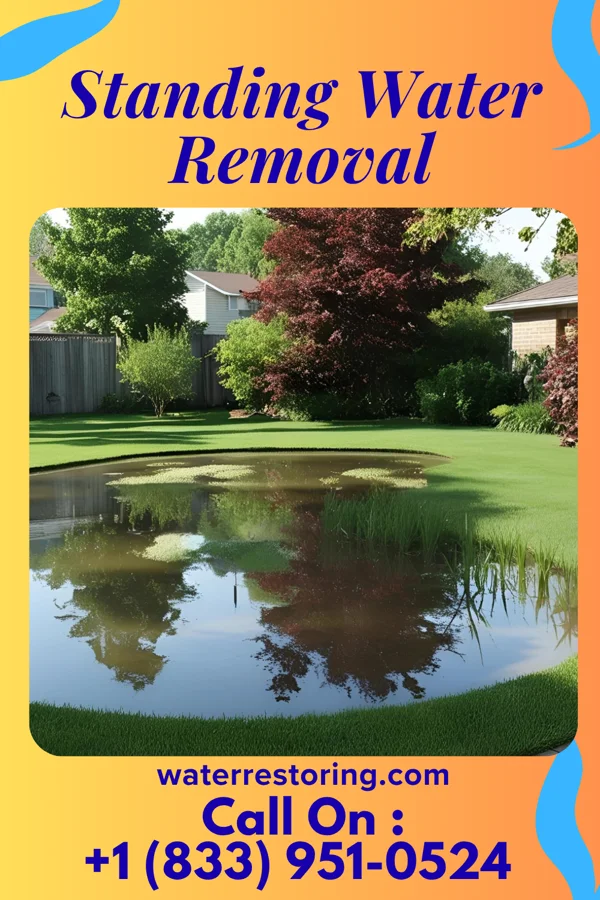
Why Chevy Chase View Sees Standing Water Often
The pattern in Chevy Chase View is consistent. In Chevy Chase View, Maryland, the primary water damage cause is often related to plumbing leaks in older homes, particularly in the basement areas where water can seep through cracked pipes or faulty fixtures. Another common cause is roof leaks during the frequent spring and summer rainstorms that affect the Montgomery County region. drives most of the emergency restoration calls we get. A close second is Secondary causes include sump pump failures during heavy rainfall and groundwater intrusion through poorly sealed foundation walls. These issues are exacerbated by the area's proximity to South Kensington and Kensington, where urban development can lead to increased runoff and drainage challenges..
Chevy Chase View experiences a humid subtropical climate with heavy rainfall in the spring and summer months, increasing the risk of water damage. The area's elevation and surrounding topography can also contribute to localized flooding, especially during intense thunderstorms.
Chevy Chase View experiences a humid subtropical climate with heavy rainfall in the spring and summer months, increasing the risk of water damage. The area's elevation and surrounding topography can also contribute to localized flooding, especially during intense thunderstorms. The dominant local driver is In Chevy Chase View, Maryland, the primary water damage cause is often related to plumbing leaks in older homes, particularly in the basement areas where water can seep through cracked pipes or faulty fixtures. Another common cause is roof leaks during the frequent spring and summer rainstorms that affect the Montgomery County region., with Secondary causes include sump pump failures during heavy rainfall and groundwater intrusion through poorly sealed foundation walls. These issues are exacerbated by the area's proximity to South Kensington and Kensington, where urban development can lead to increased runoff and drainage challenges. showing up as the next most common cause. Damage builds in stages. Spread. Absorption. Microbial growth. Structural compromise. Every stage you pass through adds to the final bill.